Table of Contents
- North Carolina Home Selling
- Which Areas in North Carolina Offer the Best Return on Investment and Are Easiest for Residential
- What Home Styles, Sizes, and Features Tend to Sell Fastest in the North Carolina Market?
- What Should Home Sellers Know About Zoning Laws, Permits, and Regulatory Requirements in North Carolina?
- Which Towns or Cities in North Carolina Are the Easiest â and Hardest â When It Comes to Navigating Real Estate Regulations?
- What Are the Most Effective Flipping and Resale Strategies for Maximizing Profit in North Carolina's Housing Market?
- How Should Sellers Price Their Homes to Attract Buyers While Maximizing Value in North Carolina?
- Which Key Economic, Social, and Regulatory Factors Are Driving Current Trends in North Carolina's Local Property Markets?
North Carolina Home Selling

North Carolina's median home sale price stood at approximately $380,000 as of September 2025, well below the national median of $435,000. This figure gave North Carolina the edge in affordability compared with neighboring South Carolina and Tennessee, whose median home sale prices during the same period were $382,000 and $391,000, respectively.
The Tar Heel State also outpaced many of its neighbors in closed sales volume, recording roughly 12,000 sales in September 2025. In contrast, neighboring states like Virginia and South Carolina typically average closer to 7,000-8,000 monthly home sales.
The median days on market (DOM) for homes in North Carolina jumped to 59 in September 2025, about one week longer than the national median but faster than in neighboring Georgia ( 62 days), Tennessee ( 65 days), and South Carolina ( 83 days). Among states that share a border with North Carolina, only Virginia ( 39 days) saw homes move more quickly.
North Carolina is one of the most active states for homebuilding. With an average of 9 new building permits per 1,000 residents, the state issues significantly more permits per capita relative to the national average of around 5.2 permits per 1,000 residents. Despite building activity, inventory remains tight, with just 3 to 4 months of supply, while a balanced market typically has 5-6 months.
In terms of property taxes, the state maintains a relatively low effective rate of about 0.75%, putting it slightly below the national average of around 0.99%. While counties like Wake and Mecklenburg align closely with the overall average, others, such as Northampton and Scotland, tend to have higher real estate taxes.
Finally, North Carolina's foreclosure rate was above the national average in September 2025, largely due to a 63% year-over-year increase. With approximately 1 foreclosure in every 3,937 homes, the state ranked 15th in foreclosure activity, but still recorded lower foreclosure rates than Georgia (1 in 3,584) and South Carolina (1 in 2,883).
Which Areas in North Carolina Offer the Best Return on Investment and Are Easiest for Residential
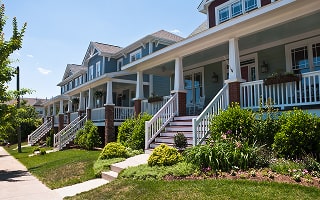
North Carolina's real estate market presents a diverse mix of investment opportunities shaped by varying property values, regulatory conditions, and activity. The unique characteristics of the real estate market in the Tar Heel State make North Carolina an appealing destination for anyone looking to invest in real estate, whether through long-term rentals, new builds, or value-add flips.
If you're considering investing in North Carolina real estate, these locations may offer strong development appeal and the potential for a solid return on investment (ROI):
- Charlotte (Mecklenburg County): As the state's largest city and a national banking hub, Charlotte offers strong appreciation prospects due to consistent population growth, jobs creation, and a limited housing supply, especially in neighborhoods near Uptown and South End.
- Raleigh (Wake County): With a booming tech scene and access to top universities, Raleigh experiences high buyer demand and rising prices, fueled by both in-migration and constrained new development space.
- Durham: Known for its research-driven economy and medical institutions, Durham's property values are climbing thanks to innovation-based jobs growth and downtown revitalization, making it a prime location for redevelopment.
- Wilmington: A coastal city with a rich history and a growing tourism sector, Wilmington sees strong seasonal and long-term rental demand, particularly in beach-adjacent communities where new construction is limited.
- Cary: Often ranked among the best places to live in the U.S., Cary combines excellent schools, low crime rates, and a booming suburban job market, which keeps housing prices competitive and development highly sought after.
- Asheville: Nestled in the Blue Ridge Mountains, Asheville attracts remote workers, retirees, and short-term rental investors with its scenic charm and tight housing inventory.
- Greensboro: With affordable entry prices and ongoing downtown revitalization, Greensboro offers promising ROI through value-add opportunities and multifamily development in underutilized areas.
- Chapel Hill: Anchored by the University of North Carolina, Chapel Hill's consistent housing demand from students, faculty, and healthcare workers supports price stability and appreciation.
- Hickory: A hidden gem in western North Carolina, Hickory's emerging popularity, affordable land, and strategic location near the mountains and I-40 corridor are spurring residential development.
- Concord (Cabarrus County): Close to Charlotte but with more affordable land, Concord offers easier development due to favorable zoning policies, population growth, and local economic initiatives tied to motorsports and retail.
What Home Styles, Sizes, and Features Tend to Sell Fastest in the North Carolina Market?
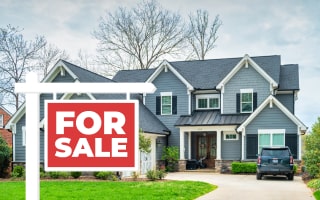
Homes continue to move at a relatively quick pace in North Carolina due to ongoing population growth, limited housing supply, and sustained buyer interest. Currently, homes move to pending in around 30 days, with faster sales often seen in high-demand areas like Cary, Raleigh, and Charlotte.
Factors that influence how fast a home sells in the state include its layout, size, location, and level of modernization. Homes with the following characteristics typically sell faster in North Carolina:
-
![]() Bedrooms: In many markets across North Carolina, 3-bedroom homes tend to sell the fastest. In cities like Charlotte and Durham, 3-bedroom single-family homes consistently receive multiple offers within the first two weeks of listing, especially in suburban neighborhoods with highly-rated schools. In higher-priced markets like Chapel Hill and Cary, 4-bedroom homes with flexible layouts for home offices or guest rooms also perform well, as remote work remains common among professionals.
Bedrooms: In many markets across North Carolina, 3-bedroom homes tend to sell the fastest. In cities like Charlotte and Durham, 3-bedroom single-family homes consistently receive multiple offers within the first two weeks of listing, especially in suburban neighborhoods with highly-rated schools. In higher-priced markets like Chapel Hill and Cary, 4-bedroom homes with flexible layouts for home offices or guest rooms also perform well, as remote work remains common among professionals.
-
![]() Size and Lot: Homes with 1,500-2,400 square feet of living area typically sell faster in North Carolina, offering sufficient living space without the downside of cost-prohibitive mortgages or maintenance. Properties on lots between 0.2 and 0.5 acres also tend to perform well, as they offer manageable yards to accommodate outdoor living spaces, a growing trend among buyers. In suburban or rural communities such as Concord and Clayton, homes with larger lots (0.5 to 1 acres) often attract buyers looking for privacy or the ability to add accessory dwelling units (ADUs).
Size and Lot: Homes with 1,500-2,400 square feet of living area typically sell faster in North Carolina, offering sufficient living space without the downside of cost-prohibitive mortgages or maintenance. Properties on lots between 0.2 and 0.5 acres also tend to perform well, as they offer manageable yards to accommodate outdoor living spaces, a growing trend among buyers. In suburban or rural communities such as Concord and Clayton, homes with larger lots (0.5 to 1 acres) often attract buyers looking for privacy or the ability to add accessory dwelling units (ADUs).
-
![]()
Style: Traditional styles such as craftsman, colonial, and ranch remain popular in North Carolina, particularly in areas like Greensboro and Winston-Salem, where neighborhoods reflect historic architectural trends. However, modern farmhouse and transitional-style homes are gaining traction, especially in newer subdivisions around Raleigh and Apex.
Buyers in urban areas like Charlotte and Durham also favor contemporary townhomes that offer low maintenance and walkable access to restaurants and transit.
-
![]()
Modern Upgrades: Homes with modern and neutral upgrades generally command more attention and sell faster statewide. Key features that contribute to quick sales include:
- Open-concept kitchens with stone countertops and stainless steel appliances, especially in homes built after 2005.
- Energy-efficient appliances and smart thermostats, which appeal to cost-conscious and eco-minded buyers.
- Fresh neutral interior paint and updated bathrooms — such as walk-in showers, dual vanities, and modern tile — to add to the move-in-ready appeal.
- Good curb appeal, such as a freshly landscaped yard or new siding/roof, which significantly boosts buyer interest during initial showings.


What Should Home Sellers Know About Zoning Laws, Permits, and Regulatory Requirements in North Carolina?
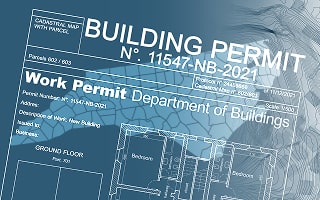
Investors, homeowners, and developers who are planning on selling a home or developing property in North Carolina must understand zoning laws, permitting rules, and other regulatory requirements in the property location. Understanding these laws and requirements is critical to maximizing ROI and closing the transaction without any legal issues, as these rules directly impact a property's permissible uses, development potential, and legal marketability.
In addition, buyers are increasingly requesting zoning compliance letters before closing to verify that a property is up to code and free from zoning violations or unresolved permit issues. As a result, it's even more important for home sellers to comply with any local laws and requirements.
Below is a list of jurisdictions and how they handle zoning, permits, and regulatory requirements in North Carolina.
Areas with Strict Zoning Laws
- Durham County (City of Durham): Enforces the Unified Development Ordinance (UDO) with rigid requirements for setbacks, building heights, and use changes.
- Mecklenburg County (City of Charlotte): The UDO adopted in recent years emphasizes form-based codes, requiring strict adherence to zoning categories and development form.
- Orange County (Chapel Hill): Highly regulated, especially around environmental overlays and neighborhood preservation.
Areas with Less Bureaucratic Zoning Laws
- Cleveland County (Shelby): Known for accommodating residential and mixed-use developments with modest zoning restrictions.
- Johnston County: Offers faster permitting and simpler zoning rules; ideal for developers seeking fewer regulatory barriers.
- Randolph County: Minimal zoning in some rural zones; more relaxed permitting compared to urban counties.
Areas Requiring a Special Permit and Public Hearing
- Wake County (Raleigh): Many uses in residential and commercial zones require special permits that go through a public notice and hearing process.
- Buncombe County (Asheville): Conditional zoning cases involve public hearings, especially for developments that impact traffic or character.
- New Hanover County (Wilmington): Certain developments require special use permits involving planning board and county commissioner review.
Areas Requiring a Certificate of Occupancy (CO) or Certificate of Compliance (CC) Before Legal Occupation
- Guilford County (Greensboro): Following renovations, a CO/CC is mandatory before property occupancy.
- Cabarrus County (Concord): Requires final inspection and CO for any major structural work.
- Cumberland County (Fayetteville): A CO is needed before legal use of the structure, especially after renovation or commercial-use conversion.
Areas with a Historic Commission Requiring Special Approvals
- City of Wilmington: Historic Preservation Commission must approve exterior alterations in the Downtown Historic District.
- Hillsborough (Orange County): Design reviews and material approvals are required in the historic overlay districts.
- Asheville (Montford and Biltmore Village areas): Historic Resources Commission approval is needed for materials, facades, roofing, and windows.
Which Towns or Cities in North Carolina Are the Easiest — and Hardest — When It Comes to Navigating Real Estate Regulations?

When selling or developing property in North Carolina, it's important to remain in compliance with local zoning ordinances, permit procedures, disclosure laws, and historic preservation rules. Following these guidelines and working within local frameworks helps prevent legal setbacks and maximizes property value while minimizing development timelines.
However, the regulatory landscape varies widely across the state. While some cities support growth with streamlined processes, others pose greater challenges due to bureaucracy or community resistance.
Development-Friendly Areas

These areas are known for their pro-growth policies, efficient permitting systems, and local support for new residential construction.
- Charlotte (Mecklenburg County): As one of the fastest-growing metros in the Southeast, Charlotte offers developers zoning flexibility through its UDO, which was updated to streamline approvals and encourage density in key growth areas.
- Concord and Kannapolis (Cabarrus County): These neighboring cities have made efforts to reduce permit turnaround times and offer incentives for infill development, making them appealing to small-scale developers.
- Clayton (Johnston County): With a growing suburban population, Clayton actively supports new housing projects through simplified planning procedures and builder incentives.
Moderately Regulated Areas

These locations enforce reasonable development controls but may have longer review periods or limited zoning flexibility in select districts:
- Raleigh (Wake County): Although supportive of growth, Raleigh's regulatory framework includes form-based zoning and community engagement mandates that can slow approvals, especially near historic neighborhoods or environmentally sensitive areas.
- Greensboro (Guilford County): Greensboro uses a tiered zoning system and emphasizes neighborhood input, particularly for rezoning requests or multifamily projects. However, the city continues to support redevelopment in its downtown core.
- Fayetteville (Cumberland County): The city has a manageable permitting system, but local ordinances for stormwater and environmental impact can lengthen development timelines, particularly on larger lots.
Highly Restrictive or Bureaucratic Areas

These communities often resist high-density or large-scale development and are known for long approval processes or strict design and use controls.
- Chapel Hill (Orange County): With a strong preservationist tradition and community involvement in planning, Chapel Hill enforces complex zoning overlays, lengthy public hearings, and strict environmental requirements.
- Asheville (Buncombe County): Known for its progressive culture and mountain charm, Asheville frequently faces strong public resistance to new development, especially high-density housing, which can delay or block projects.
- Carrboro (Orange County): Adjacent to Chapel Hill, Carrboro maintains a slow-growth philosophy, with strict tree protection ordinances and density restrictions that make large-scale development difficult to pursue.
Regulatory Climate Factors to Watch

The regulatory climate for the real estate market in North Carolina is not uniform. Local rules and planning regulations vary significantly from coastal towns to urban centers. If you're planning to develop, renovate, or flip property, understanding these regulatory factors is critical to the success of your project.
The table below shows a summary of the most common regulatory factors and where they're typically found in North Carolina:
| Factor | Impact on Development | Where It's Found |
|---|---|---|
| Zoning Flexibility | Determines the ease of land use | Charlotte, Clayton, Concord, and Mooresville |
| Historic Preservation Laws | Adds restrictions | Asheville, Chapel Hill, Wilmington, and Hillsborough |
| Wetlands/Conservation | Limits buildable land | Coastal areas (New Bern, Beaufort), Asheville outskirts, and parts of Wake County |
| Inclusionary Zoning | Requires affordable units | Chapel Hill, Carrboro, and Durham |
| Building Code Enforcement | Affects cost/speed | Raleigh, Greensboro, Fayetteville, and Asheville |
| Local Politics/NIMBYism* | Blocks or delays projects | Chapel Hill, Carrboro, Asheville, parts of Orange and Buncombe counties |
*NIMBYism - Not in My Backyard
What Are the Most Effective Flipping and Resale Strategies for Maximizing Profit in North Carolina's Housing Market?

To succeed in North Carolina's housing market —which is driven by population growth, strong buyer demand, urban revitalization, and suburban expansion — flippers must adapt to local market dynamics and choose the right strategies to suit prevailing trends. Below are some of the most effective flipping and resale methods investors can use when aiming to secure a strong ROI in the North Carolina real estate market:
-
![]() Target Distressed or Foreclosed Homes: Flippers seeking the highest ROI may choose to focus on acquiring distressed, off-market, or foreclosed properties in high-growth areas like Charlotte and Raleigh, where buyer demand remains elevated. These properties can often be purchased well below market value through auctions, bank-owned listings, or direct negotiations with sellers.
Target Distressed or Foreclosed Homes: Flippers seeking the highest ROI may choose to focus on acquiring distressed, off-market, or foreclosed properties in high-growth areas like Charlotte and Raleigh, where buyer demand remains elevated. These properties can often be purchased well below market value through auctions, bank-owned listings, or direct negotiations with sellers.
-
![]() Use the 70% Rule: If you're considering buying a property in the North Carolina real estate market, consider using the 70% rule before making a purchase. The 70% rule recommends purchasing homes at 70% or less of the after-repair value (ARV) minus renovation costs, ensuring sufficient profit margins.
Use the 70% Rule: If you're considering buying a property in the North Carolina real estate market, consider using the 70% rule before making a purchase. The 70% rule recommends purchasing homes at 70% or less of the after-repair value (ARV) minus renovation costs, ensuring sufficient profit margins.
-
![]() Go Beyond Cosmetic Work (Value-Add Flipping): Profitable house flipping depends on strategic upgrades that significantly boost a property's appeal and market value without overspending. Prioritize renovations that attract the widest pool of buyers, like modernizing kitchens and bathrooms, improving the home's exterior presentation, and ensuring essential systems like HVAC, plumbing, and electrical are up to date and functioning properly.
Go Beyond Cosmetic Work (Value-Add Flipping): Profitable house flipping depends on strategic upgrades that significantly boost a property's appeal and market value without overspending. Prioritize renovations that attract the widest pool of buyers, like modernizing kitchens and bathrooms, improving the home's exterior presentation, and ensuring essential systems like HVAC, plumbing, and electrical are up to date and functioning properly.
-
![]() Target High-Growth Neighborhoods: Profitable flips are most likely in neighborhoods experiencing rapid population growth, infrastructure investment, and revitalization. In areas such as North Raleigh, Cary, Apex, and the Charlotte suburbs, appreciation potential is high due to strong employment hubs and quality-of-life amenities. For longer-term investors, buying in emerging or transitioning neighborhoods may offer the benefit of long-term equity gains as local developments attract more buyers.
Target High-Growth Neighborhoods: Profitable flips are most likely in neighborhoods experiencing rapid population growth, infrastructure investment, and revitalization. In areas such as North Raleigh, Cary, Apex, and the Charlotte suburbs, appreciation potential is high due to strong employment hubs and quality-of-life amenities. For longer-term investors, buying in emerging or transitioning neighborhoods may offer the benefit of long-term equity gains as local developments attract more buyers.
-
![]() Use Neutral Design and Smart Staging: To attract the widest pool of buyers, homes should be styled with neutral paint colors, minimalist staging, and universally appealing layouts. Buyers in markets like Raleigh, Durham, and Greensboro prefer move-in-ready properties with updated fixtures and clean, modern finishes. By keeping the interior look simple and fresh, sellers improve online listing visibility and increase the chances of a quick and competitive offer.
Use Neutral Design and Smart Staging: To attract the widest pool of buyers, homes should be styled with neutral paint colors, minimalist staging, and universally appealing layouts. Buyers in markets like Raleigh, Durham, and Greensboro prefer move-in-ready properties with updated fixtures and clean, modern finishes. By keeping the interior look simple and fresh, sellers improve online listing visibility and increase the chances of a quick and competitive offer.
-
![]() Time the Market Correctly: Flippers should aim to list properties during North Carolina's peak buying season, typically spring through summer, when buyer activity is strongest. This timing increases the chance of a faster sale and reduces the risk of extended carrying costs like utilities, taxes, and interest. Monitoring local market inventory may also help flippers determine the ideal moment to relist, ensuring properties hit the market when demand is high.
Time the Market Correctly: Flippers should aim to list properties during North Carolina's peak buying season, typically spring through summer, when buyer activity is strongest. This timing increases the chance of a faster sale and reduces the risk of extended carrying costs like utilities, taxes, and interest. Monitoring local market inventory may also help flippers determine the ideal moment to relist, ensuring properties hit the market when demand is high.
-
![]() Target FHA 203(k) Buyers: Flippers in North Carolina can expand their buyer pool by targeting buyers who plan to use FHA 203(k) loans, especially in areas with a high number of entry-level or older homes, such as Durham, Greensboro, and Fayetteville. The FHA 203(k) program allows buyers to finance both the purchase and renovation of a property with a single mortgage. This is ideal for homes that may not qualify for conventional financing due to their current condition.
Target FHA 203(k) Buyers: Flippers in North Carolina can expand their buyer pool by targeting buyers who plan to use FHA 203(k) loans, especially in areas with a high number of entry-level or older homes, such as Durham, Greensboro, and Fayetteville. The FHA 203(k) program allows buyers to finance both the purchase and renovation of a property with a single mortgage. This is ideal for homes that may not qualify for conventional financing due to their current condition.
-
![]() Try Staging and Marketing: Effective staging and marketing can significantly reduce days on the market and increase the final sale price. In competitive North Carolina markets like Charlotte, Cary, and Raleigh, professionally staged homes tend to sell faster and for more money, as they help buyers visualize the home's full potential. A well-staged home emphasizes neutral colors, clean layouts, and functional spaces, especially in key areas like the living room, kitchen, and primary bedroom. High-quality marketing materials, such as professional photography, 3D virtual tours, and well-written listing descriptions, may enhance online visibility and drive more traffic and showings.
Try Staging and Marketing: Effective staging and marketing can significantly reduce days on the market and increase the final sale price. In competitive North Carolina markets like Charlotte, Cary, and Raleigh, professionally staged homes tend to sell faster and for more money, as they help buyers visualize the home's full potential. A well-staged home emphasizes neutral colors, clean layouts, and functional spaces, especially in key areas like the living room, kitchen, and primary bedroom. High-quality marketing materials, such as professional photography, 3D virtual tours, and well-written listing descriptions, may enhance online visibility and drive more traffic and showings.


How Should Sellers Price Their Homes to Attract Buyers While Maximizing Value in North Carolina?
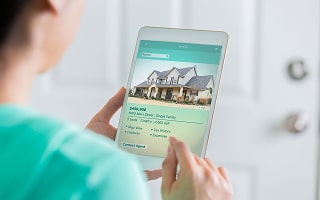
Pricing a home correctly is important for obtaining a strong return on investment. That's why for sellers in North Carolina's competitive and diverse housing market, working closely with a local real estate agent or licensed appraiser — who can conduct a comparative market analysis (CMA) — is advised. This analysis should review active, pending, and recently sold comparable properties within the past 90 days to determine the most competitive and realistic listing price. Accurate pricing helps sellers avoid extended days on market, lowball offers, or unnecessary price reductions that may weaken negotiating power.
Some common approaches to use in different North Carolina regions to attract buyers while maximizing value include the following:
-
![]() Pricing Just Below Market Thresholds: In local markets where inventory is tight and demand is high, such as Charlotte, South End, Plaza Midwood, and Ballantyne, listing slightly below the market value (for example, listing at $580,000 instead of $600,000), may result in competitive bidding that drives the final sale price above asking.
Pricing Just Below Market Thresholds: In local markets where inventory is tight and demand is high, such as Charlotte, South End, Plaza Midwood, and Ballantyne, listing slightly below the market value (for example, listing at $580,000 instead of $600,000), may result in competitive bidding that drives the final sale price above asking.
-
![]() Charm Pricing: This approach is particularly useful for entry- and mid-level homes where buyer sensitivity to price is high. Charm pricing involves setting the list price just below a round number to make it appear more attractive — for example, listing a home at $299,900 instead of $300,000. This psychological pricing tactic is commonly used in competitive markets like Charlotte, Raleigh, and Cary, where online filters and buyer perception play a large role. Homes that use charm pricing tend to receive more online views and showings because they fall under search thresholds.
Charm Pricing: This approach is particularly useful for entry- and mid-level homes where buyer sensitivity to price is high. Charm pricing involves setting the list price just below a round number to make it appear more attractive — for example, listing a home at $299,900 instead of $300,000. This psychological pricing tactic is commonly used in competitive markets like Charlotte, Raleigh, and Cary, where online filters and buyer perception play a large role. Homes that use charm pricing tend to receive more online views and showings because they fall under search thresholds.
-
![]() Price-Per-Square-Foot Benchmarking: This method calculates the list price based on the local average cost per square foot, adjusted for condition, upgrades, and lot size. In areas like Greensboro, Winston-Salem, and Fayetteville, buyers often evaluate homes by comparing cost per square foot across multiple listings. Sellers use this strategy to show value relative to competing properties, especially when the home has similar specs but better features.
Price-Per-Square-Foot Benchmarking: This method calculates the list price based on the local average cost per square foot, adjusted for condition, upgrades, and lot size. In areas like Greensboro, Winston-Salem, and Fayetteville, buyers often evaluate homes by comparing cost per square foot across multiple listings. Sellers use this strategy to show value relative to competing properties, especially when the home has similar specs but better features.
-
![]() Net-to-Seller Pricing: With this strategy, the seller sets a price based on the net proceeds they want to walk away with after closing costs, agent commissions, and loan payoffs. This method is especially common among experienced investors or homeowners with limited equity. In slower or rural markets like parts of Johnston, Harnett, or Rockingham counties, sellers often use net-to-seller pricing to ensure they do not take a loss.
Net-to-Seller Pricing: With this strategy, the seller sets a price based on the net proceeds they want to walk away with after closing costs, agent commissions, and loan payoffs. This method is especially common among experienced investors or homeowners with limited equity. In slower or rural markets like parts of Johnston, Harnett, or Rockingham counties, sellers often use net-to-seller pricing to ensure they do not take a loss.
-
![]() Urgency Pricing (Motivated Seller Strategy): This method is a preferred strategy when speed is more important than squeezing out every dollar from a sale. In this approach, sellers price slightly below market value to encourage quick offers, often signaling urgency with phrases like "priced to sell" or "motivated seller." This is commonly used in high-turnover areas or when a seller is relocating, going through a divorce, or needs to offload a distressed property. In active markets like Durham or Wilmington, urgency pricing may trigger multiple offers and result in a quick closing, especially when paired with clean staging and competitive financing options.
Urgency Pricing (Motivated Seller Strategy): This method is a preferred strategy when speed is more important than squeezing out every dollar from a sale. In this approach, sellers price slightly below market value to encourage quick offers, often signaling urgency with phrases like "priced to sell" or "motivated seller." This is commonly used in high-turnover areas or when a seller is relocating, going through a divorce, or needs to offload a distressed property. In active markets like Durham or Wilmington, urgency pricing may trigger multiple offers and result in a quick closing, especially when paired with clean staging and competitive financing options.
-
![]() High-Anchor Pricing (Test-the-Waters Strategy): High-anchor pricing involves listing the property above market value to gauge interest or set a negotiating cushion. This approach is often used in premium markets like Chapel Hill, Asheville, or upscale Charlotte neighborhoods, where homes are unique and comps are limited. While this method may work if the home has standout features, like mountain views, historic character, or a large custom layout, it carries the risk of sitting on the market too long.
High-Anchor Pricing (Test-the-Waters Strategy): High-anchor pricing involves listing the property above market value to gauge interest or set a negotiating cushion. This approach is often used in premium markets like Chapel Hill, Asheville, or upscale Charlotte neighborhoods, where homes are unique and comps are limited. While this method may work if the home has standout features, like mountain views, historic character, or a large custom layout, it carries the risk of sitting on the market too long.
-
![]() Appraisal-Backed Pricing: Some sellers, especially those dealing with cash buyers, estate properties, or flips, choose to price the home based on a recent professional appraisal. This strategy lends credibility to the asking price and is especially useful in rural or low-inventory areas where comps may be scarce or outdated. Appraisal-backed pricing is also helpful when selling to FHA or VA buyers, since lenders will review an appraisal before approving a loan. While not always used in hot urban markets, an appraisal can add security in areas like Hickory, Lenoir, or Asheboro, where buyers may question valuation.
Appraisal-Backed Pricing: Some sellers, especially those dealing with cash buyers, estate properties, or flips, choose to price the home based on a recent professional appraisal. This strategy lends credibility to the asking price and is especially useful in rural or low-inventory areas where comps may be scarce or outdated. Appraisal-backed pricing is also helpful when selling to FHA or VA buyers, since lenders will review an appraisal before approving a loan. While not always used in hot urban markets, an appraisal can add security in areas like Hickory, Lenoir, or Asheboro, where buyers may question valuation.


If you're selling your home in North Carolina, you should adopt a pricing strategy that aligns with the prevailing market conditions in your area. Since no single approach fits all properties, applying the right method may make a significant difference in both selling time and final profit.
The table below offers guidance on which pricing strategy best suits common scenarios in today's real estate landscape across the state:
| Market Condition | Best Strategy |
|---|---|
| Seller's Market | Underpricing for a bidding war |
| Buyer's Market | Charm pricing or net-to-seller |
| Unique, luxury home | High-anchor + value justification |
| Entry-level home | Just-below threshold |
| Urgent sale needed | Aggressive urgency pricing |
| Flipper or investor listing | Appraisal-backed or price-per-square-foot |
Which Key Economic, Social, and Regulatory Factors Are Driving Current Trends in North Carolina's Local Property Markets?

In recent years, North Carolina has experienced dynamic shifts in employment, population patterns, and regulatory frameworks that collectively influence housing availability, pricing, and investment strategies. Understanding how wage growth, migration trends, zoning laws, tax policies, and public infrastructure projects interact to impact the North Carolina real estate market equips stakeholders, buyers, sellers, developers, and policymakers with the insights needed to navigate and profit from the state's evolving property landscape.
![]() Economic Factors
Economic Factors
 Economic Factors
North Carolina's economy continues to support robust housing demand through steady employment and wage growth, particularly in sectors like construction, healthcare, and finance. Recently, the state added 72,400 new jobs, with average hourly wages reaching $33.54, a record high for the state. This economic momentum, coupled with a moderate cost of living, makes the state especially attractive to buyers from higher-cost regions. On the supply side, over 23,400 new residential building permits were issued in the first quarter of 2025, though there was a 5% dip in permit value, suggesting that developers may be shifting from large multifamily builds to more modest or cost-efficient housing projects.
![]() Demographic and Social Factors
Demographic and Social Factors
 Demographic and Social Factors
North Carolina continues to experience significant population growth. In 2023 alone, more than 339,000 people moved to the state, resulting in a net gain of over 106,000 residents. This influx is concentrated in metros like Charlotte, Raleigh-Durham, Wilmington, and Asheville. In-migration includes not only working professionals and families but also retirees drawn by the mild climate and affordable cost of living. As the state becomes increasingly diverse owing to its immigrant populations from Asia and Latin America, cultural shifts toward suburban living and lifestyle-focused properties are reshaping buyer demands.
![]() Regulatory and Legal Framework
Regulatory and Legal Framework
 Regulatory and Legal Framework
North Carolina's property market is influenced by varied zoning and land-use regulations across municipalities. Over 90% of North Carolinians live under zoning ordinances that often reserve as much as 80%-90% of residential land for detached single-family homes, limiting density and affordability. In addition, as of August 2024, brokers nationwide are prohibited from listing buyer-agent commissions on the MLS, requiring upfront written fee agreements. While this aims to increase transparency, it's also shifting negotiation dynamics in tight markets.
![]() Taxation and Fiscal Policy
Taxation and Fiscal Policy
 Taxation and Fiscal Policy
North Carolina continues to attract investors and residents alike due to its low property tax burden and pro-business tax policies. With an effective property tax rate of around 0.77%, below the national average, homeowners can expect more manageable recurring costs. North Carolina was also ranked the top state for business in 2025, thanks to its tax structure and incentives for employers. For developers, incentives like Industrial Development Fund grants help reduce infrastructure costs and support housing-related expansion in rural and underserved areas.
![]() Housing Policy and Government Programs
Housing Policy and Government Programs
 Housing Policy and Government Programs
Several North Carolina municipalities, including Charlotte and Wilmington, have introduced mixed-income housing initiatives and homebuyer grants to address affordability and supply shortages. In rural counties, the state has awarded millions in infrastructure grants to prepare land for development, enhancing access to buildable lots and utilities. These programs aim to increase the availability of affordable housing while supporting regional growth.
![]() Infrastructure and Development Trends
Infrastructure and Development Trends
 Infrastructure and Development Trends
North Carolina's property markets are also being shaped by major infrastructure projects, including public transit expansions in Charlotte and commuter rail developments in the Research Triangle region. These improvements enhance accessibility and drive up property values near transit corridors. Additionally, urban densification is gaining momentum, with high-rise mixed-use towers under construction in Charlotte and Raleigh, reflecting demand for walkable city living and integrated commercial spaces.
![]() Market Sentiment and Investor Behavior
Market Sentiment and Investor Behavior
 Market Sentiment and Investor Behavior
While median home prices inched up in September to around $380,000, sales volumes dipped 10.8%, a sign of measured buyer caution in the face of sticky rates and borrowing costs. As a result, creative financing strategies and hybrid equity/debt deals are on the rise as investors chase limited inventory. Meanwhile, strong in-migration continues to fuel multifamily and build-to-rent investment.
North Carolina's real estate market presents a wide range of profitable opportunities for investors, home sellers, and developers. Cities like Charlotte, Raleigh, Durham, and Wilmington offer some of the best returns on investment due to strong population growth, limited housing supply, and ongoing economic expansion. Mid-sized homes (those ranging from 1,500 to 2,400 square feet) with 3-4 bedrooms, modern upgrades, energy-efficient features, and attractive curb appeal tend to draw the most buyers and sell fastest, especially in suburban neighborhoods with good schools and commuter access.
While pro-growth and development friendly on the whole, the regulatory environment varies across the state. Areas like Charlotte, Concord, and Clayton tend to have more development-friendly processes, offering streamlined zoning and permitting. In contrast, towns such as Chapel Hill and Asheville are known for more restrictive regulations and community resistance to high-density development.
Before listing a property for sale, homeowners and flippers are encouraged to explore pricing strategies suited to their market conditions, whether it's charm pricing, urgency pricing, or ordering a professional appraisal.
Overall, economic growth, wage increases, in-migration, infrastructure development, and state-level incentives continue to shape property trends and sustain demand throughout North Carolina.
Table of Contents
- North Carolina Home Selling
- Which Areas in North Carolina Offer the Best Return on Investment and Are Easiest for Residential
- What Home Styles, Sizes, and Features Tend to Sell Fastest in the North Carolina Market?
- What Should Home Sellers Know About Zoning Laws, Permits, and Regulatory Requirements in North Carolina?
- Which Towns or Cities in North Carolina Are the Easiest â and Hardest â When It Comes to Navigating Real Estate Regulations?
- What Are the Most Effective Flipping and Resale Strategies for Maximizing Profit in North Carolina's Housing Market?
- How Should Sellers Price Their Homes to Attract Buyers While Maximizing Value in North Carolina?
- Which Key Economic, Social, and Regulatory Factors Are Driving Current Trends in North Carolina's Local Property Markets?